
Florida homes deal with a lot of water. The Florida Climate Center reports the state’s historical average annual rainfall is 53.65 inches, and the 2024 statewide average was 56.82 inches, which was above normal. That matters because gutters are your home’s first line of defense during heavy rain. When they clog or pull away from the roof, water can spill over the sides and soak areas that should stay dry. In places like Jacksonville, Orlando, Tampa, and South Florida, fast afternoon storms can send large amounts of water off the roof in a short time.
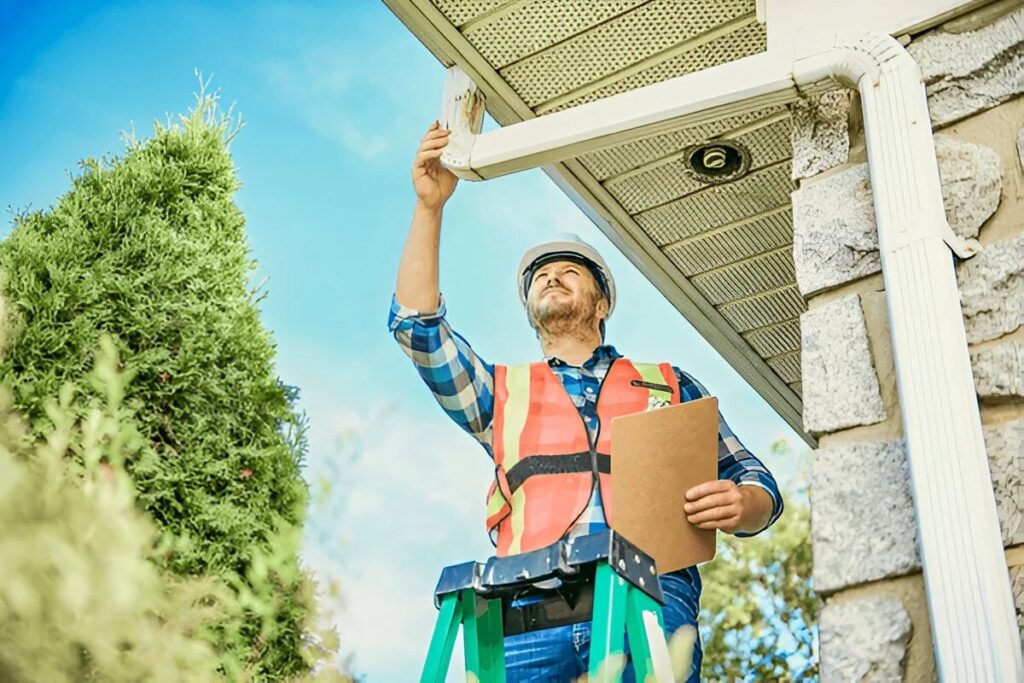
Regular inspections help spot small problems before they turn into expensive repairs. A loose bracket, hidden clog, or sagging section may not seem serious at first. But in Florida’s wet climate, even a small gutter problem can lead to damaged fascia, peeling paint, soggy soil, and roof leaks. The University of Florida IFAS also notes that clear gutters and downspouts help water drain properly and reduce the risk of leaks.
How Can Florida Rain and Storms Damage Gutters Fast?
Florida is known for heavy rain, tropical systems, and hurricane season. Before big storms, gutters need to be ready to move water away from the roof and foundation. UF/IFAS advises homeowners to make sure gutters are securely attached, pointed away from the home, and cleared of debris before major rainfall events.
This is especially important in neighborhoods with many trees. Oak leaves, pine needles, seed pods, and palm debris can pile up quickly. In North and Central Florida, pine needles are a common problem because they pack tightly and slow water flow. In coastal and inland areas alike, one storm can wash this debris into downspouts and create a blockage. That is why many Florida homeowners benefit from inspections in spring and fall, plus another check before peak storm season when needed. This approach aligns with common home care guidance that recommends routine gutter maintenance and cleaning at least twice a year.
What Problems Can Clogged Gutters Cause Inside and Outside the Home?
Clogged gutters do more than make a mess. They can lead to water pooling near the home, which may wear away soil and increase the chance of foundation trouble over time. UF/IFAS recommends placing downspouts 2 to 3 feet away from the house to help protect the foundation.
Moisture is another major concern in Florida. The EPA says the key to mold control is moisture control, and water problems should be fixed quickly to help stop mold growth indoors. If gutters overflow near walls, soffits, or crawl spaces, that extra moisture can create the damp conditions that mold likes.
Standing water can also attract pests. The CDC says mosquitoes lay eggs in water and recommends checking for water-holding spots around the home at least once a week. A clogged gutter full of wet leaves can become one more place where pests thrive, especially in Florida’s warm, humid weather.

When Should You Schedule a Gutter Inspection?
A smart plan is to schedule inspections at least twice a year, usually in spring and fall. In Florida, it also makes sense to inspect gutters before the heavy rain and storm season begins. Homes under large trees, near the coast, or in areas with frequent storms may need more frequent checks. Regular inspections can help extend roof life, protect fascia boards, and keep water moving away from the house the way it should.
Are You Ready to Protect Your Florida Home?
If you want to avoid clogs, leaks, mold, and costly water damage, now is the time to schedule a professional gutter inspection. Gutter Time helps Florida homeowners stay ahead of storm season with dependable gutter care. Call (904) 528-1476 today to book your inspection and protect your home before the next heavy rain.