
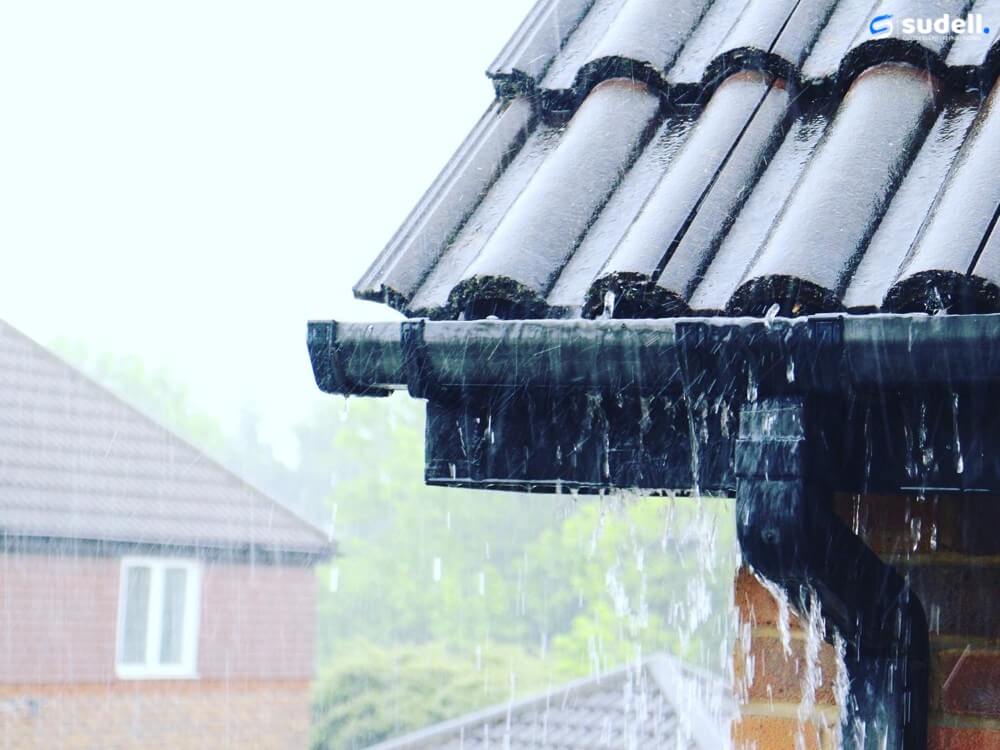
Hilliard, FL gets a lot of rain, and summer is when gutters face their toughest test. Local climate data shows Hilliard gets about 53 to 54 inches of rain each year, which is much higher than the U.S. average of 38 inches. August is often one of the wettest months, with heavy rainfall that can quickly fill weak or clogged gutters.
That matters because Hilliard sits in Nassau County, where stormwater flows from roads, gutters, and yards into ditches, rivers, lakes, and coastal waters. Nassau County explains that stormwater can carry oil, debris, and other pollution into local waterways. Clean gutters help move roof water where it belongs, not into flower beds, crawl spaces, or low spots around the home.
How Can Clogged Gutters Cause Trouble During Florida Storms?
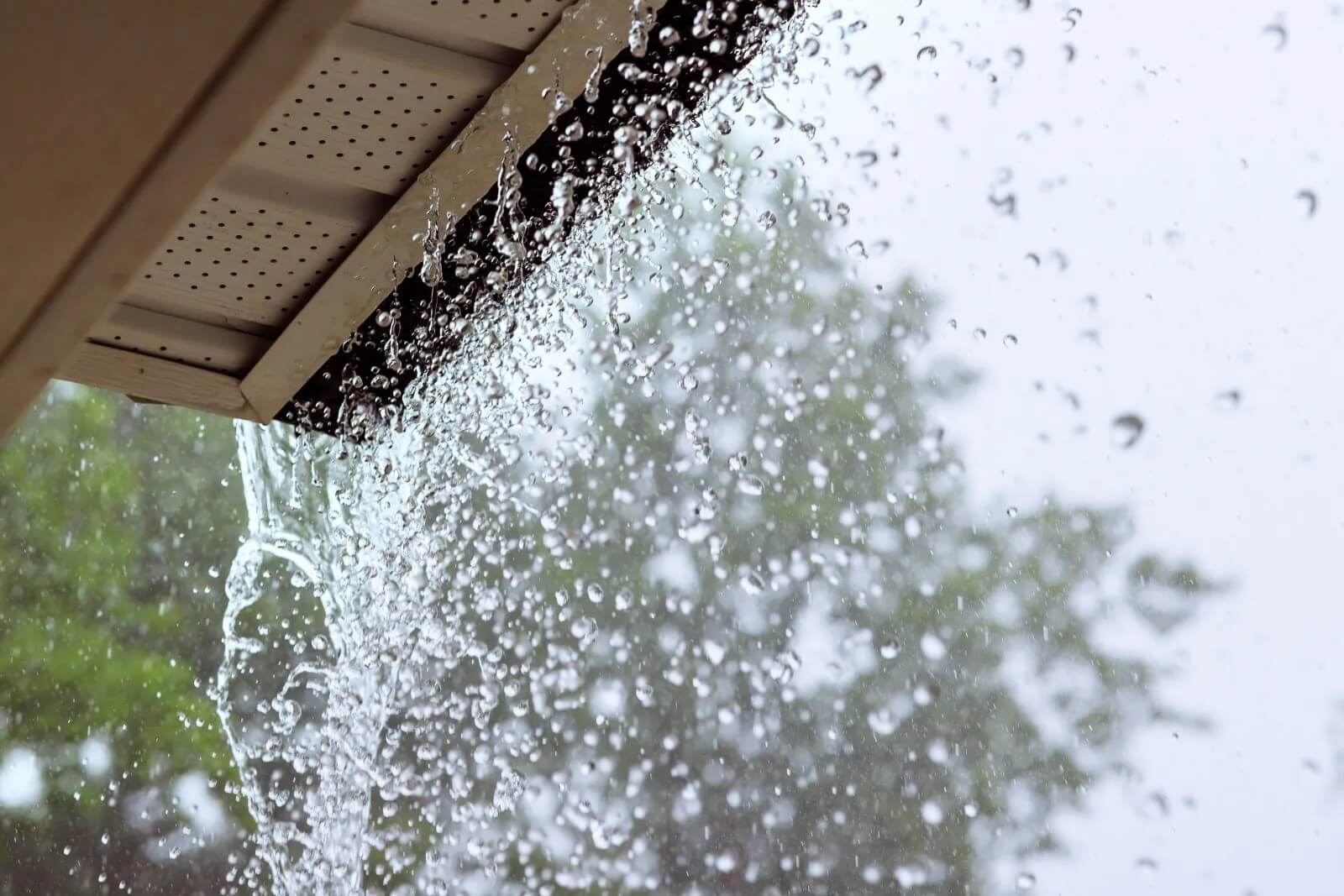
A clogged gutter may not look serious on a sunny day. Then a hard summer storm hits, and water spills over the edge like a small waterfall. That water can pound the soil near the home, wash out mulch, stain siding, and push moisture toward the foundation.
In Hilliard, the problem is often caused by oak leaves, pine needles, pollen, roof grit, small twigs, and storm debris. Once this material gets wet, it can pack together tightly. Downspouts may drain slowly, or not at all.
The Florida Department of Health also warns residents to clean out eaves, troughs, and gutters as part of mosquito control. Standing water gives mosquitoes a place to breed, and summer heat can make the problem worse.
What Gutter Cleaning Steps Work Best Before June?
The best time to prepare gutters is in spring or before hurricane season starts. Florida State University’s Florida Climate Center says Atlantic hurricane season runs from June 1 through November 30, with peak risk from mid August through late October.
A good storm prep checklist should include these steps.
- Remove leaves, pine needles, pollen, and roof grit by hand
- Flush gutters with a garden hose
- Test each downspout for strong water flow
- Use a plumber’s snake for deep clogs
- Check elbows near the ground, since debris often sticks there
- Look for rust, cracks, holes, or loose seams
- Tighten loose hangers and brackets
Homeowners should also check the gutter slope. Water should move toward the downspout, not sit in the middle. Standing water can mean the gutter is sagging or pitched the wrong way.
Should Hilliard Homes Use Gutter Guards For Summer Storms?
Gutter guards can help, especially around trees. In North Florida, pine needles and small leaves can slip into open gutters fast. Micro mesh guards are often a smart choice because they block smaller debris while still letting rainwater pass through.
Still, gutter guards are not magic. They need checks after big storms. Leaves can sit on top, and pine needles can collect along roof valleys. For Hilliard homes near wooded lots, a guard system can reduce cleaning, but it should still be part of a regular maintenance plan.
How Should Downspouts Drain Water Away From The Home?
Downspouts should not dump water right beside the home. The University of Florida IFAS Extension recommends redirecting downspouts so water flows to lawns or plant beds where it can soak in. EPA guidance also supports rain barrels, planted areas, and other steps that reduce stormwater runoff.
For many homes, downspout extensions and splash blocks are simple fixes. They guide water away from the foundation and help stop soil erosion. In low lying parts of Hilliard, this is especially helpful after long afternoon storms.
When Should Homeowners Call Gutter Time?
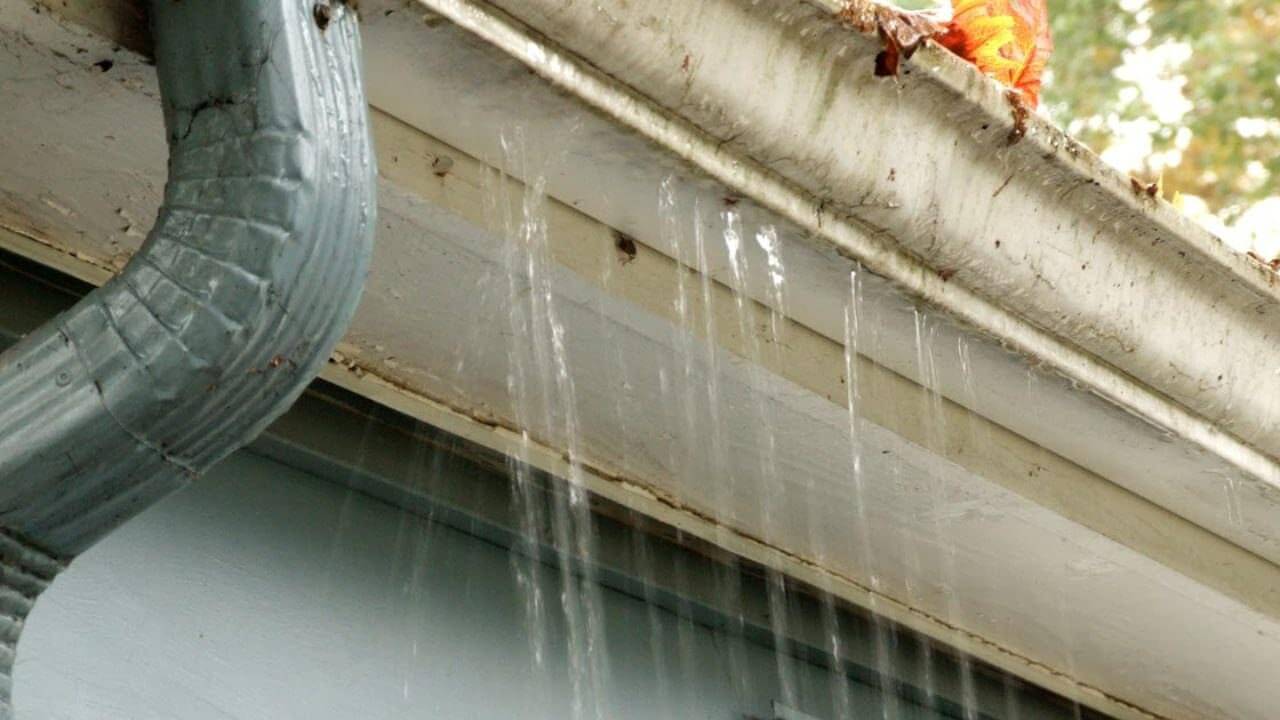
A homeowner should call for help when gutters sag, overflow, leak at the seams, pull away from the roofline, or drain too close to the foundation. It is also smart to schedule service before hurricane season, not after the first big storm has already caused damage.
Gutter Time helps Hilliard homeowners clean, repair, and prepare gutter systems for Florida’s heavy summer rain. For safer drainage and better storm protection, call Gutter Time today at (904) 528-1476.