
Commercial gutters in St. Marys, GA, work harder than gutters in many inland towns. The area sits near the St. Marys River, Cumberland Island, marshes, and the Atlantic coast. That means buildings face heavy rain, humid air, salt exposure, and tropical storm threats.
The St. Marys River basin gets about 50 inches of rain per year, and summer is the wettest season. Camden County also notes that the area is a low-lying coastal plain that can flood from rivers, hurricanes, storm surge, and inland rainfall. These local conditions make strong drainage very important for offices, stores, warehouses, churches, and other commercial buildings.
What Warning Signs Mean Your Gutters Need Replacement?
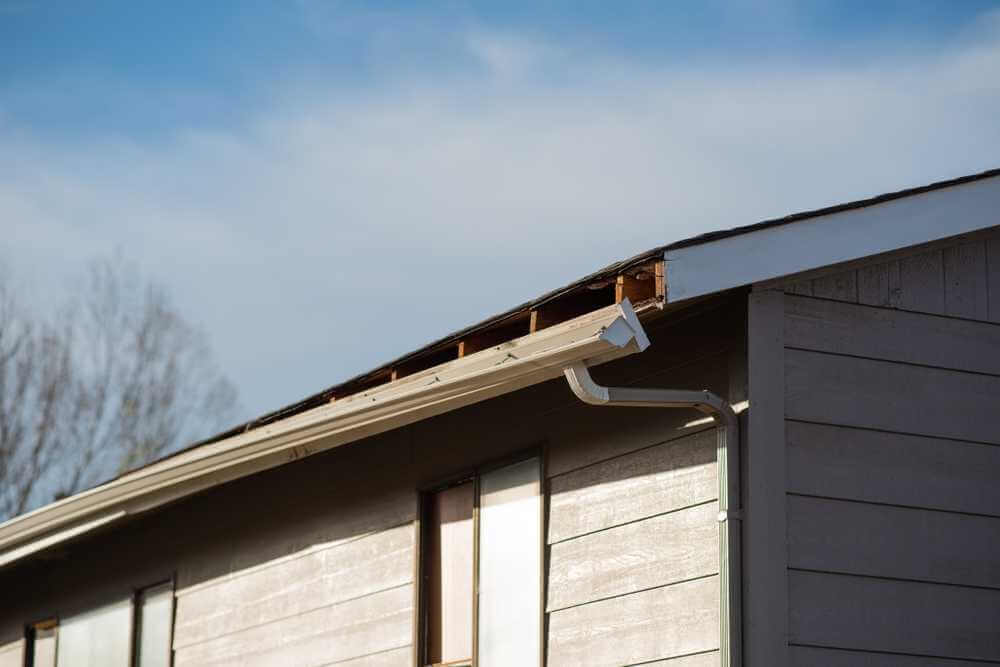
Replace commercial gutters when damage is too serious for normal repair. Watch for gutters that sag, pull away from the fascia, overflow during storms, or hold standing water. These signs often mean the system is no longer sloped right or the fasteners have failed.
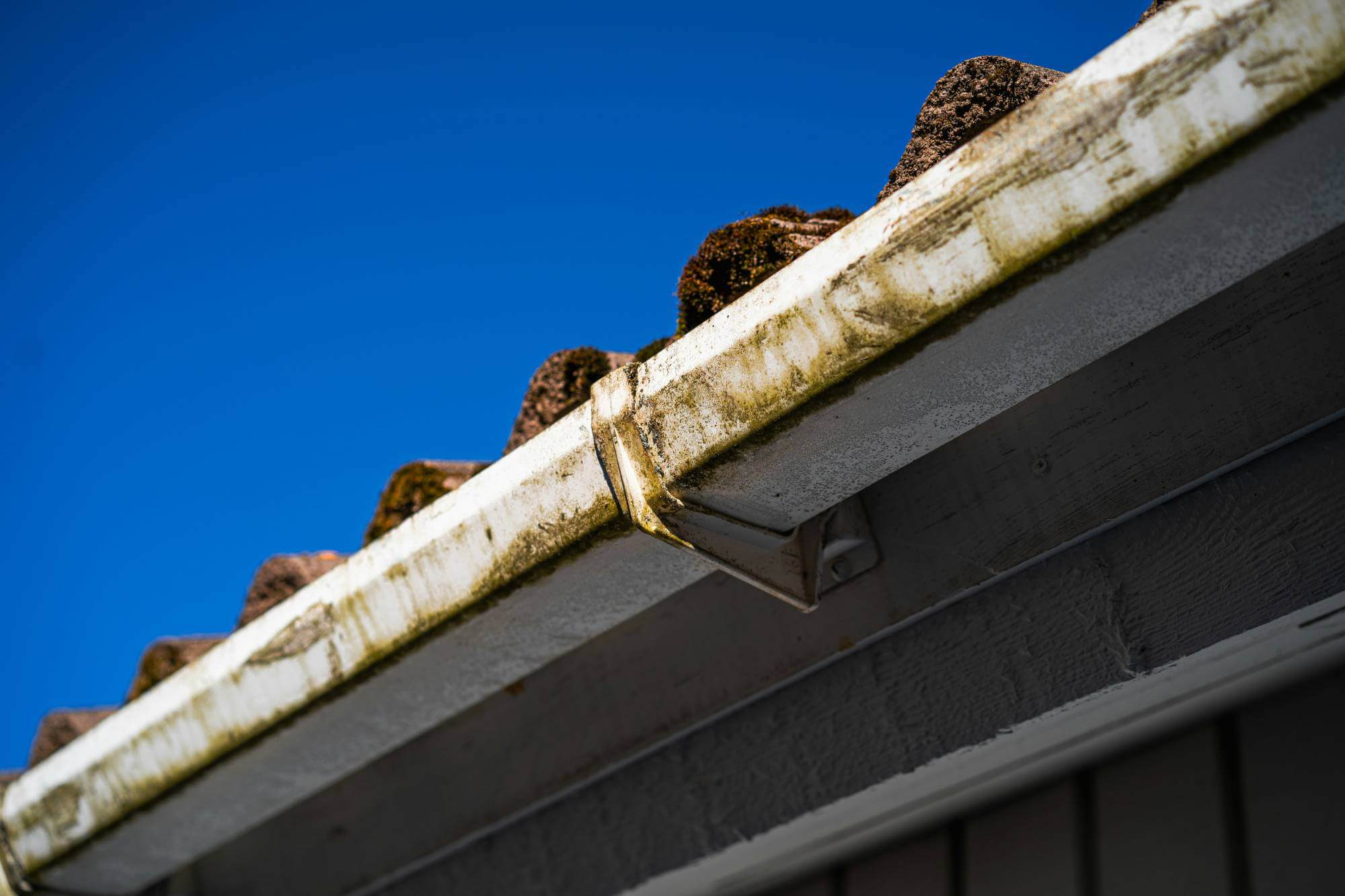
Rust is another major warning sign. Orange stains, holes, and flaking metal show that the gutter is breaking down. This is common in older steel systems, especially near salt air. If rust is spread across long sections, replacement is usually smarter than patching.
Also look for black streaks, water stains, soft fascia, cracked stucco, peeling paint, or puddles near the foundation. These signs mean water is not moving away from the building. The EPA’s moisture control guidance says gutters and downspouts should be sized to handle roof area, roof pitch, and local rainfall intensity. Poor drainage can lead to moisture problems inside and outside the building.
How Old Is Too Old for Commercial Gutters?
Many commercial gutter systems last about 20 to 25 years, depending on the material, maintenance, and storm damage. In St. Marys, coastal weather may shorten that life if the system is not cleaned and inspected.
Older gutters often use spike-and-ferrule fasteners. These can loosen over time, especially when gutters fill with wet leaves, pine needles, and storm debris. Once fasteners fail, the gutter pulls away and loses slope. At that point, water may spill behind the gutter and damage the roof edge.
If your business keeps paying for the same leaks, loose sections, and clogged downspouts, replacement may cost less over time.
What Size Gutters Work Best for St. Marys Commercial Buildings?
Many commercial buildings in St. Marys need higher-capacity gutters than a small home. Large roof areas collect a lot of water fast during summer storms. For this reason, many properties benefit from 6-inch to 8-inch box gutters, larger downspouts, and strong hidden hangers.
Downspout discharge also matters. The Building Science Education resource recommends downspouts that send water at least 5 feet away from the foundation, or farther when tied into underground drainage. This helps reduce water pooling around slab edges, crawlspaces, walkways, and parking areas.
How Often Should St. Mary’s Businesses Inspect Gutters?
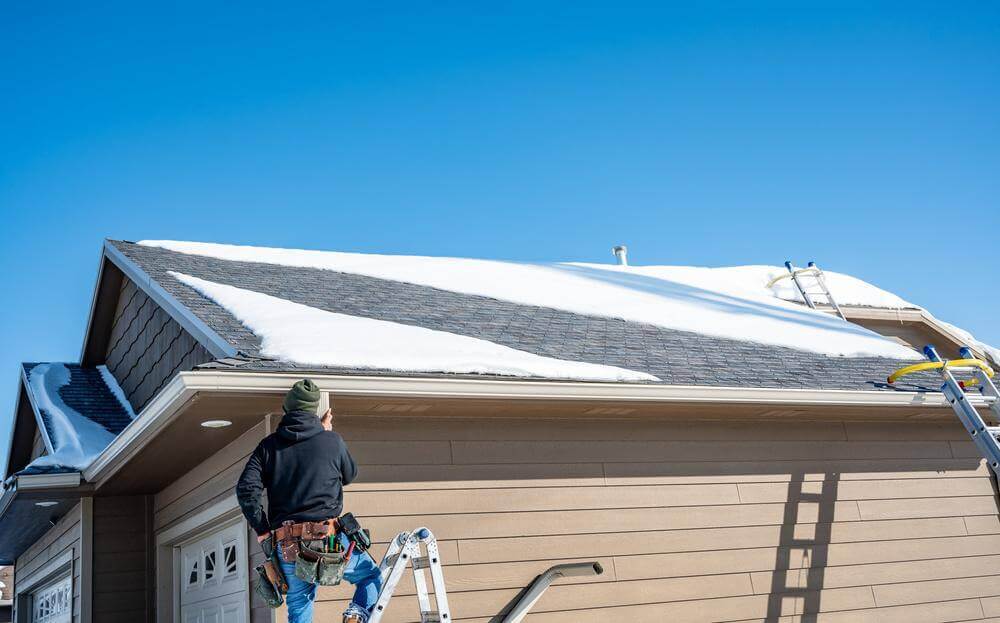
Commercial gutters in St. Marys should be inspected at least twice a year. A good schedule is once before hurricane season and once after the heaviest storm season. Inspections are also smart after high winds, tropical storms, or long periods of rain.
Property managers should check for loose hangers, separated seams, rust, bent downspouts, clogged outlets, and water stains. Restaurants, retail plazas, medical offices, and warehouses should be extra careful because water damage can affect customers, inventory, equipment, and safety.
When Should You Call Gutter Time?
Call Gutter Time when your commercial gutters are sagging, leaking often, rusting, pulling away, or over 20 years old. A professional inspection can show whether repair is enough or if replacement is the better long-term choice.
For commercial gutter replacement in St. Marys, GA, contact Gutter Time at (904) 528-1476. We can help protect your building from coastal rain, storm runoff, and costly water damage.