
Summer storms and tropical systems can drop several inches of rain on southeast Georgia in just a few hours. In places like Savannah, the long-term average is close to 48 inches of rain every year, much of it falling in warm, stormy months.
When that much water hits clay soil and low, flat yards, your drainage system can struggle. If the water has nowhere to go, it starts to push against your foundation, crawl space, and even your sewer lines.
Why Is Heavy Rain Such A Big Problem In Southeast Georgia?
Southeast Georgia sits in the humid coastal plain. The land is mostly flat and low. Storms from the Gulf and Atlantic can bring very heavy rain, especially during hurricane season and slow-moving summer storms.
Across the state, records from NOAA show more than 130 billion-dollar weather and climate disasters since 1980, many of them severe storms and tropical systems that brought flooding rain.
The soil adds to the problem. Research suggests that clay soil has the highest water-holding capacity of any soil type, so it stays wet much longer than sandy or loamy soils. When days of rain hit already wet clay, water quickly pools instead of soaking in.
All of this means your gutters, downspouts, and yard drains have to move a lot of water very fast. If they cannot keep up, you will see warning signs both inside and outside your home.
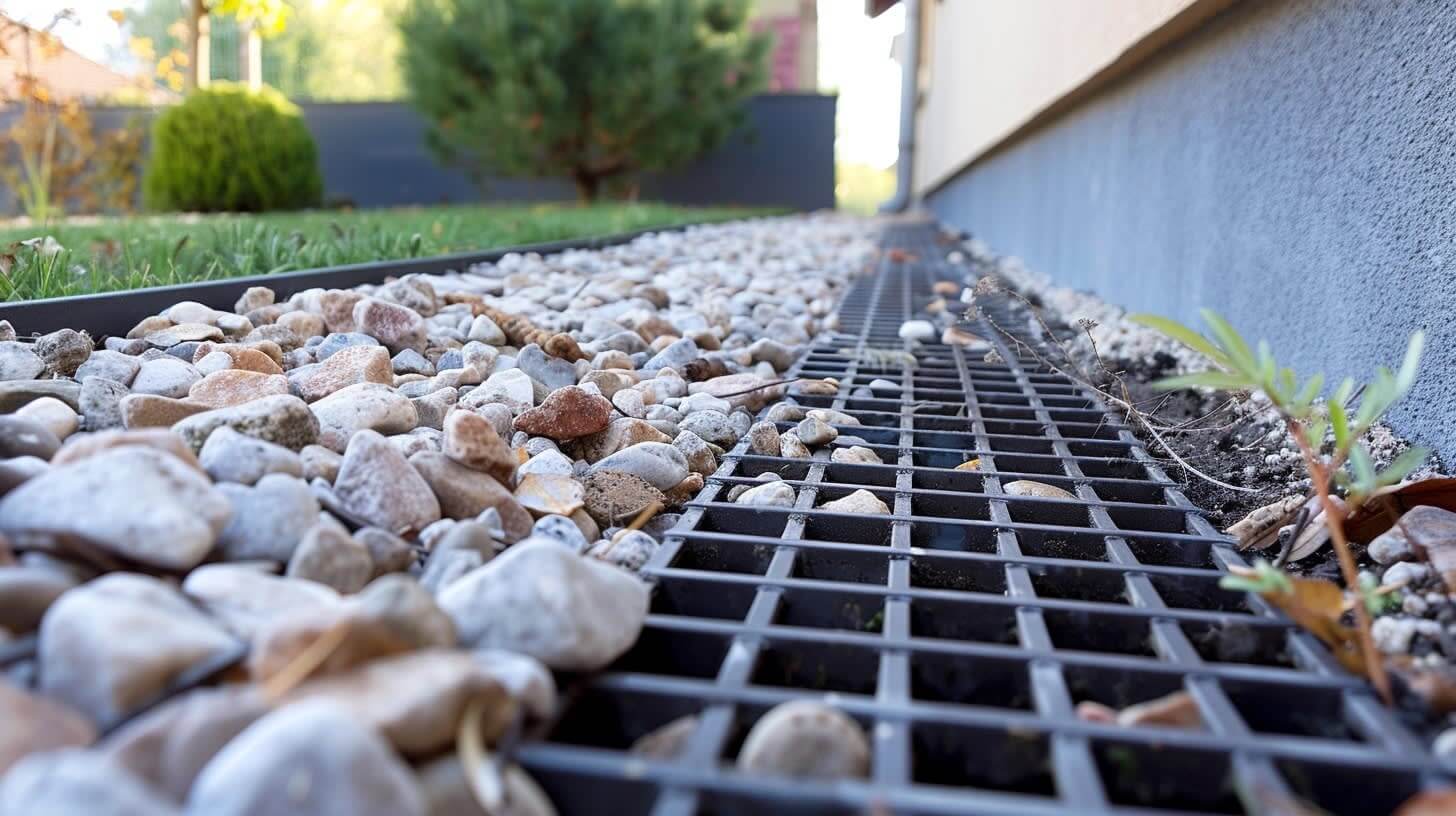
What Outdoor Signs Show Your Drainage System Is In Trouble?
Look around your yard right after a big storm and again a day later. These outdoor clues point to an overwhelmed system:
- Does water sit near your foundation for more than a day?
Puddles that stay right against the foundation, porch, or steps 24 to 48 hours after rain are a red flag. A local stormwater management guide from the University of Georgia Extension explains that well-designed rain features should drain within about two days. If your soil stays soggy longer, drainage is poor. - Do your gutters overflow during every downpour?
Water pouring over the front of the gutter instead of going into the downspout means the gutters are clogged, undersized, or the downspouts are too short or too few. - Is your landscaping soggy or washed out?
Mulch floating away, exposed roots, and little “rivers” in the yard show that stormwater is racing over the surface instead of soaking in gently. - Do you see sinkholes or small depressions in the yard?
New low spots, especially along buried drain pipes or near septic lines, can mean soil is being washed away by leaks or overflowing lines. - Is there white, chalky residue on the exterior block or brick?
This powdery crust, called efflorescence, forms when water moves through masonry, leaving mineral deposits behind. It often starts near ground level.
How Can You Tell If Water Is Threatening Your Foundation?
In southeast Georgia, many homes have crawl spaces instead of full basements, but the warning signs are similar:
- The crawl space is damp or has standing water after rain.
- You notice a musty or earthy smell under the house.
- Floor joists or beams show mold or dark staining.
- Doors or windows suddenly start to stick after long wet periods.
These problems happen when water builds up around the foundation and pushes into cracks or gaps. Over time, wet soil can shift and cause small movements in the foundation, which is why windows and doors stop opening smoothly.
What Indoor Signs Point To Drainage Or Sewer Problems?
A stressed drainage system outside can lead to plumbing issues inside:
- Do several fixtures drain slowly at the same time?
If toilets, tubs, and sinks across the house all drain slowly, the main sewer or drain line may be overloaded or partly blocked. - Do you hear gurgling after a storm?
Gurgling from tubs or toilets can mean air is trapped in the pipes because water is having trouble moving through. - Do you smell sewer odors indoors or in the yard?
Strong sewage smells, especially near floor drains or in the yard over your septic area, can mean the system is near capacity. - Do you see water stains on lower walls or floors?
Moisture on basement walls, crawl space piers, or the bottom of drywall after rain hints that outside water is getting in instead of draining away.
If you are noticing several of these signs together, your system is not just clogged. It is likely undersized for today’s intense storms.
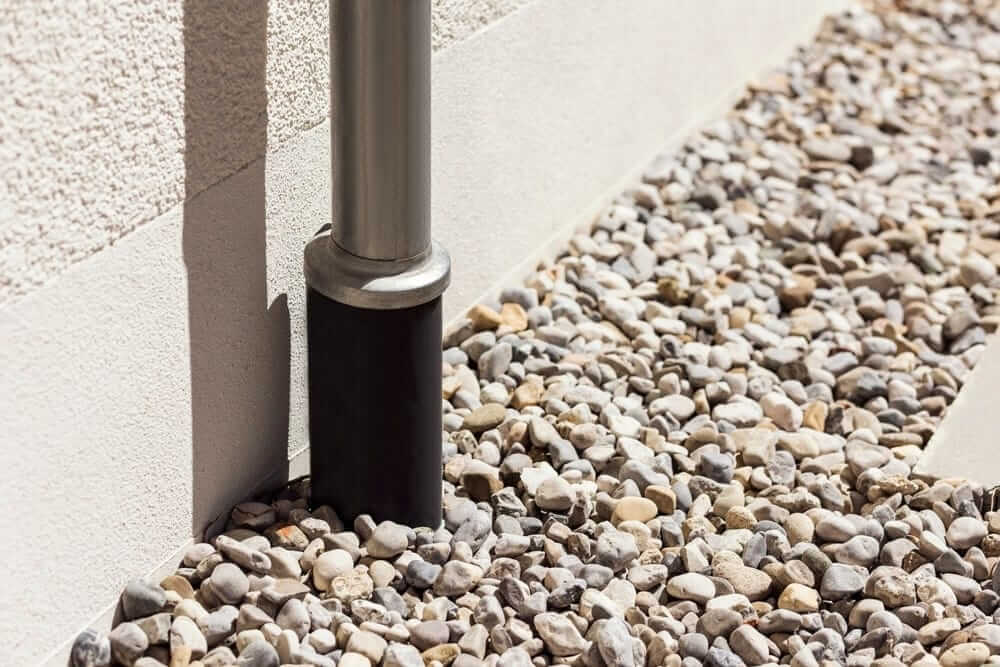
How Can You Protect Your Yard With Better Drainage?
You cannot control how much it rains, but you can control where that water goes on your property:
- Keep gutters clean and sized for local rainfall.
- Add downspout extensions that carry water 6 to 10 feet away from the house.
- Regrade soil so it slopes gently away from the foundation.
- Consider French drains or dry creek beds in low spots.
- Use tools like rain gardens to slow and soak up runoff.
Guides like this Georgia rain garden resource explain how deep to dig and what soil mix helps water soak in faster instead of sitting on top. For a bigger picture look at how extreme rain and coastal flooding are changing along our coast, the extreme weather events page from the Georgia Coastal Research Council offers helpful background.
When Should You Call Gutter Time For Drainage Help?
If you see standing water by your foundation, overflowing gutters, slow drains, or sewer smells after every heavy rain, it is time to get help before the next big storm hits.
Gutter Time can inspect your gutters, downspouts, and basic yard drainage throughout southeast Georgia. We can spot problems early, recommend upgrades, and help move water safely away from your home.
Call Gutter Time at (904) 528-1476 today to schedule a drainage checkup and keep your home safer and drier during the next heavy rain.