
If your gutters are sagging, leaking, rusting, or pulling away from your house, it may be time for a full replacement. In Brunswick, GA, this matters even more because homes deal with coastal moisture, salt air, and strong summer rain. A NOAA-linked coastal Georgia source says Brunswick averages about 54 inches of rain per year, and the area has a subtropical climate with humid, warm summers. That mix can wear gutters out faster than many homeowners expect.
Are Your Gutters Sagging or Pulling Away From the Roof?
Gutters should sit straight and tight against the roofline. If they dip in the middle or pull away from the fascia, that is a warning sign. This often happens when fasteners loosen, wood behind the gutter gets wet, or the system can no longer hold the weight of water and debris. HUD notes that gutters and downspouts are part of the home’s main drainage system and help protect walls and foundations from roof runoff. When that system starts to fail, bigger home damage can follow.
In Brunswick, sagging gutters can get worse after heavy downpours. EPA guidance says gutters and downspouts should be sized to handle the roof area and local rainfall intensity. When they are too old, too small, or damaged, overflow becomes more likely.
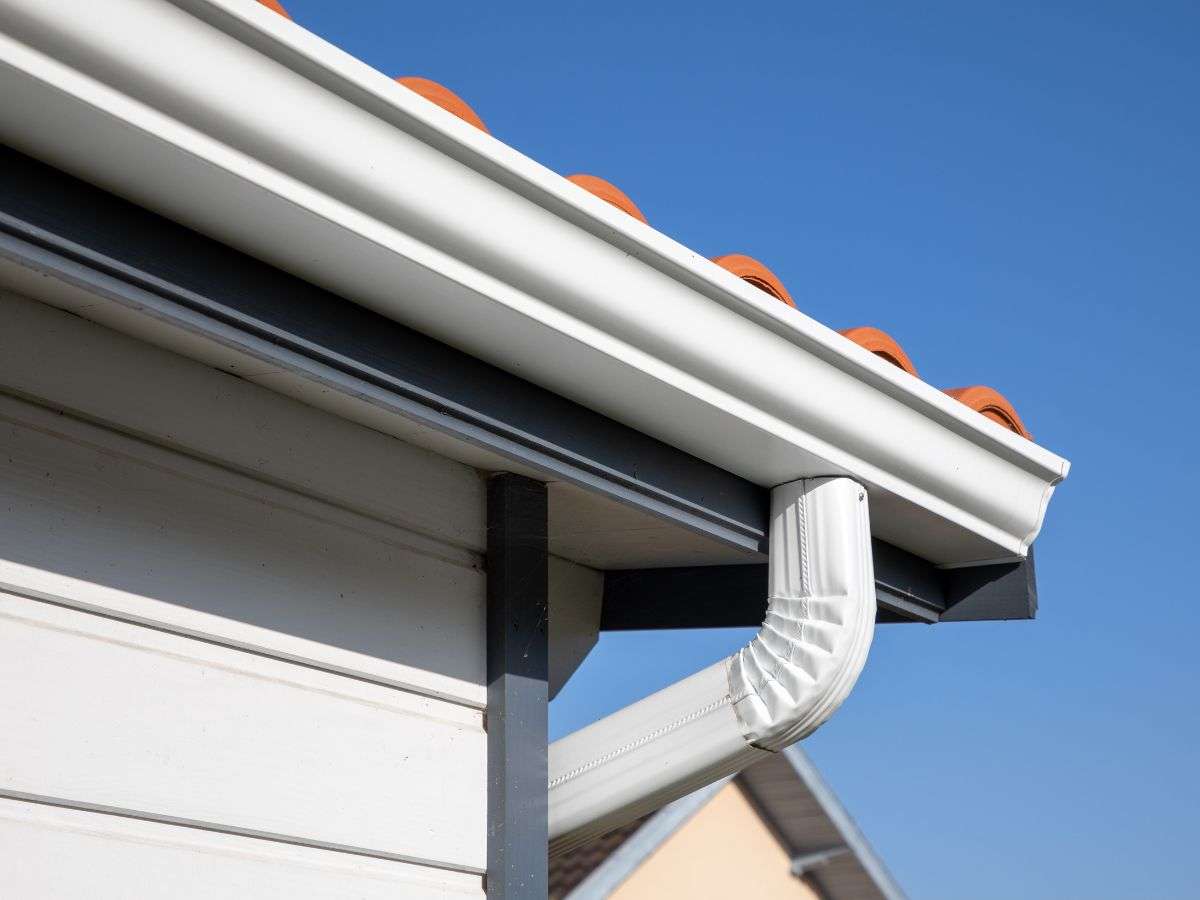
Do You See Rust, Cracks, or Peeling Paint?
Rust spots, orange streaks, small holes, and peeling paint are not just cosmetic problems. They often mean water is sitting in the gutter too long. Along the Georgia coast, salty air and high humidity can accelerate corrosion. Even tiny cracks can grow fast when gutters keep getting wet and drying out.
If you see these signs in more than one spot, repair may only be a short-term fix. A new gutter system is often the smarter long-term choice, especially on older homes.
Is Water Damaging Your Soffit, Fascia, or Siding?
Stains, mildew, soft wood, or peeling paint around the roof edge are major red flags. When gutters overflow or leak behind the system, water can soak the fascia and soffit. HUD warns that damaged soffits and fascia can let moisture move into the attic and wall areas. Overflowing gutters can also push water toward siding and trim instead of safely away from the house.
This is especially important in Brunswick’s low-lying coastal setting, where stormwater problems are a real concern. UGA Marine Extension says flood-reduction projects in Brunswick are needed because stormwater management plays a major role in protecting homes and neighborhoods. One Sea Grant report says just six rain gardens in Brunswick can filter more than 203,000 gallons of stormwater runoff each year, showing how much water local systems may need to handle.
Is Water Pooling Near Your Foundation?
Water should move away from your home, not collect near the base. FEMA says downspouts should direct water away from the foundation, and USDA guidance also recommends moving roof runoff away from buildings and bare soil. If you see pooling water, muddy areas, or soil washing away, your gutters may not be doing their job.
This is not a small issue. Poor drainage can lead to foundation trouble, wood rot, and more moisture problems inside the home.
Are You Constantly Paying for Gutter Repairs?
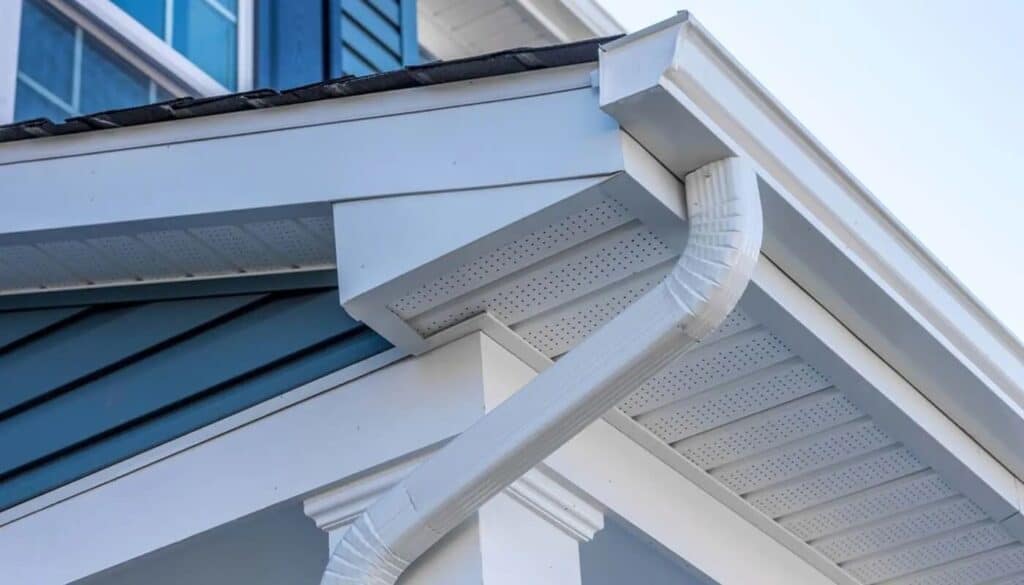
If you keep fixing leaks, reattaching loose sections, or sealing the same problem areas, replacement may cost less in the long run. Older gutters, especially those around 20 to 30 years old, often reach the point where patchwork repairs no longer make sense.
For Brunswick homeowners, replacing failing gutters can help protect your roofline, siding, and foundation before the next round of summer storms hits. If you have noticed several of these warning signs, now is the time to act. Call Gutter Time at (904) 528-1476 to schedule an inspection and talk about the new gutter installation in Brunswick, GA.